

TL;DR -- Key Takeaways
- A routine seal-and-bearing repair (~$4,800) can escalate to a ~$62,000 incident once downtime and logistics are included.
- Most of that cost sits in production stoppage, secondary equipment damage, and emergency freight/labor — not the seal itself.
- Cartridge seal design reduces both failure frequency and repair duration by cutting installation errors.
- TCO-based sourcing (not per-unit price) is what actually protects the maintenance budget long term.
“A $60 gasket and a $62,000 incident are almost never discussed in the same breath — but they should be. The part was never the expensive part.”
— Suganthan, Director, DS Techno Rubber Private Limited
A $60 Part, A $62,000 Problem
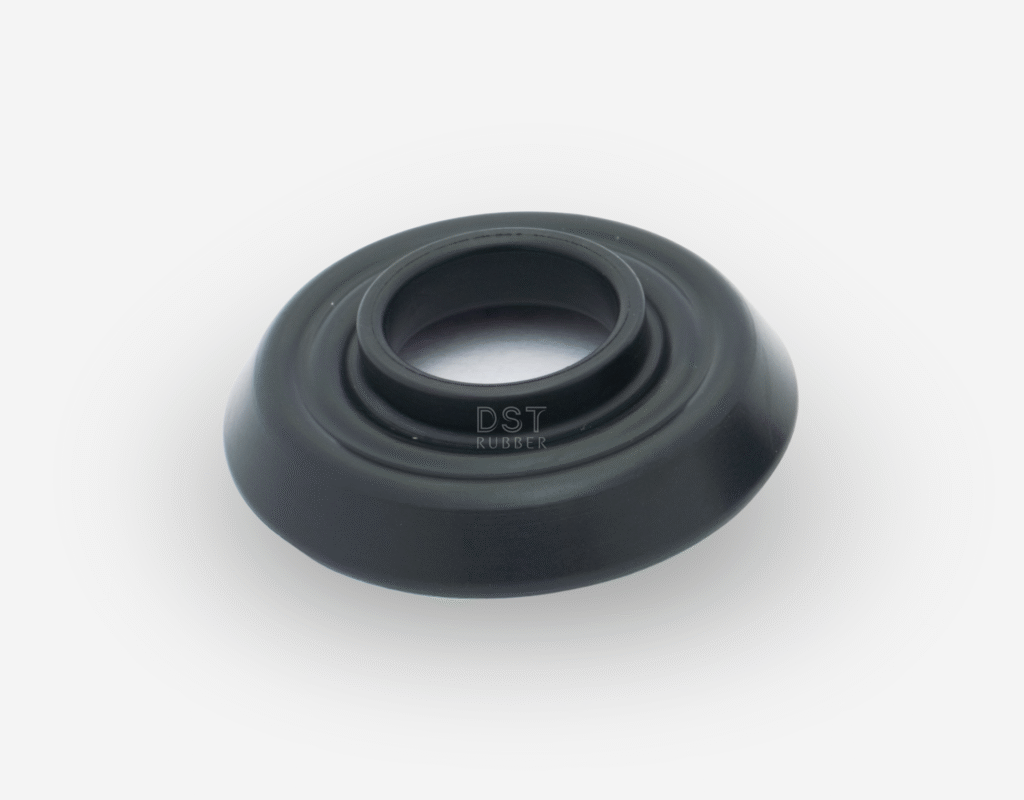
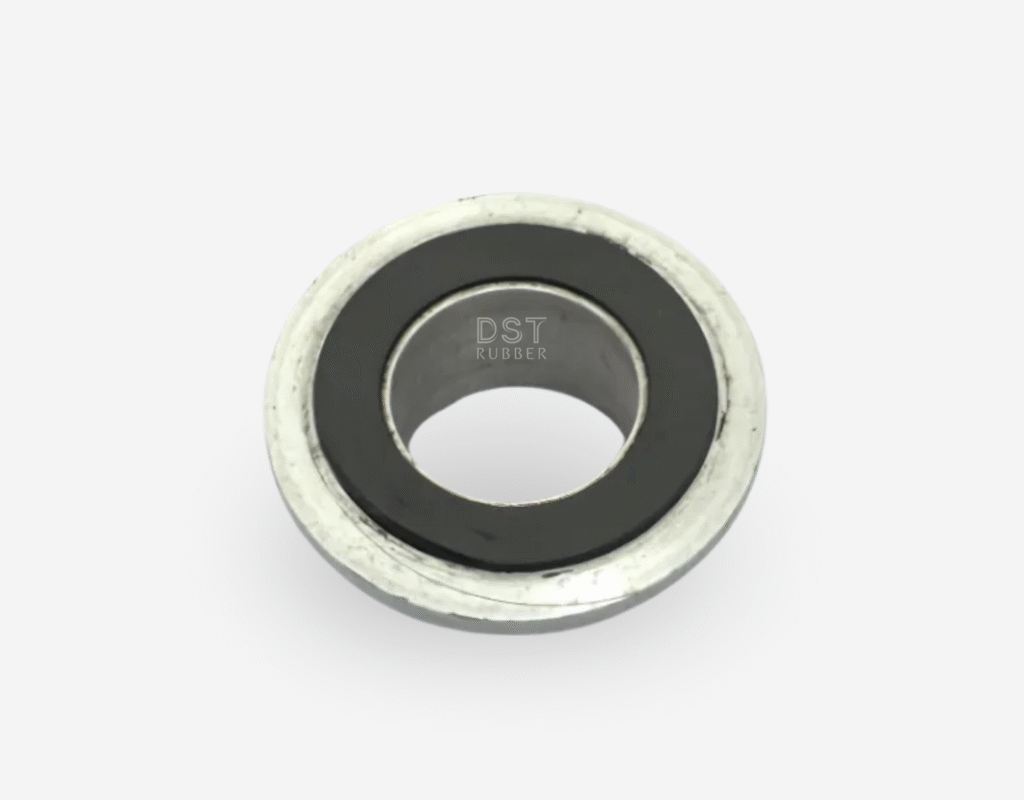
Here’s a number worth sitting with: a routine seal-and-bearing repair on an industrial pump can escalate from roughly $4,800 to a $62,000 incident once lost production and emergency logistics get factored in. The gasket or seal itself might be a $60 line item. The event it triggers is a different order of magnitude entirely.
Where the Real Money Leaks Out
Break down that $62,000 and three cost centers dominate:
- Production stoppage — unplanned downtime windows cost far more per hour than scheduled maintenance windows.
- Secondary damage — a leaking seal rarely fails in isolation; bearings, shafts, and housings often take collateral damage.
- Emergency logistics — rush freight, overtime labor, and premium pricing on expedited parts all stack on top of base repair cost.
Routine Repair vs. Full Incident: The Cost Comparison
The table below breaks down how a routine repair scales into a full incident.
Proactive Sourcing Changes the Math
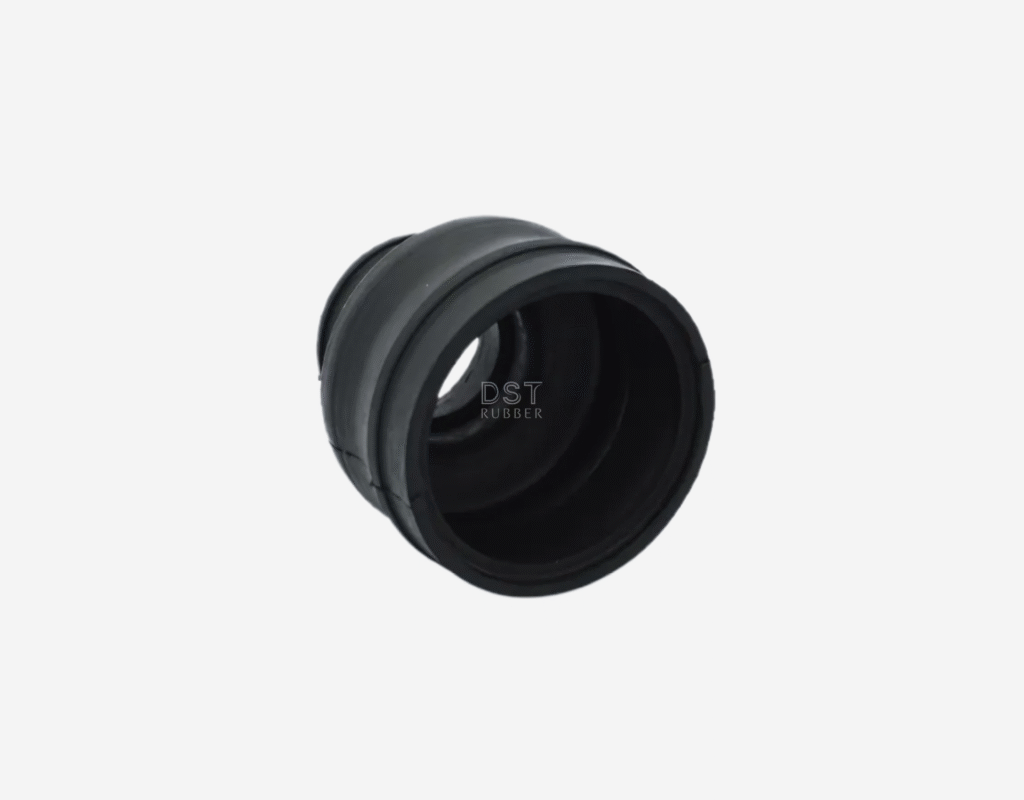
Reliability teams that model total cost of ownership rather than per-unit price make a different call: they standardize on suppliers who can deliver custom-molded seals and gaskets quickly, support rapid prototyping when a spec changes, and back critical applications with an emergency-replacement SLA rather than a best-effort promise.
Cartridge seal design is a particularly high-leverage lever here — because it reduces installation errors and doesn’t require full shaft disassembly, it cuts both the frequency and the duration of failure-driven downtime.
| Cost Component | Routine Repair | Full Incident |
|---|---|---|
| Parts (seal + bearing) | ~$300 | ~$300 |
| Standard labor | ~$1,500 | ~$1,500 |
| Lost production time | Minimal (scheduled) | ~$45,000+ |
| Secondary equipment damage | None | ~$10,000+ |
| Emergency logistics/overtime | None | ~$5,000+ |
| Approx. total | ~$4,800 | ~$62,000 |
Model total cost of ownership, not per-unit seal price — that’s the number that actually protects your maintenance budget.
Frequently Asked Questions
How much can a pump seal failure really cost a plant?
A routine repair in the $4,800 range can escalate to roughly $62,000 once lost production, secondary equipment damage, and emergency logistics are included.